


Stop Losing Mortgage Leads at the Last Step
If you’re investing in credit union marketing or mortgage broker marketing, there’s one critical moment that determines whether a visitor becomes a lead – or disappears.
It’s the point where they decide to contact you.
Most financial institutions still rely on traditional contact forms. But here’s the problem: by the time someone reaches that page, they’re not looking for more work – they’re looking for guidance, reassurance, and a real human connection.
And that’s exactly where many websites fall short.
The Problem: Outdated Contact Pages Kill Conversions
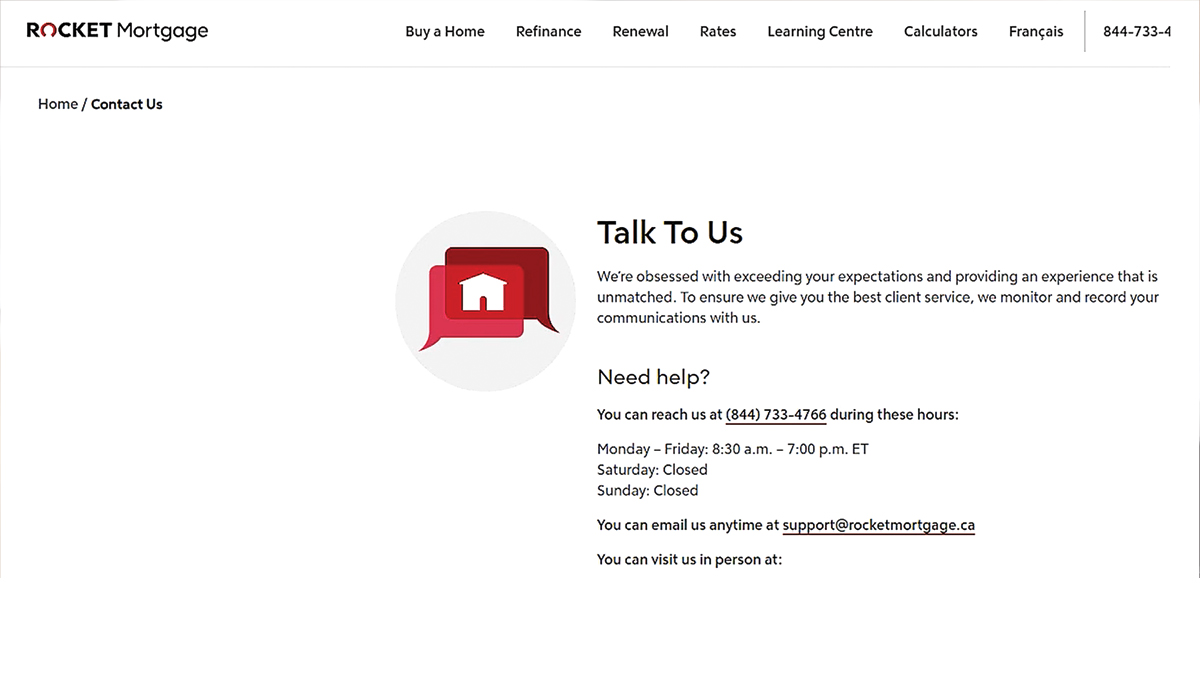
Typical “Contact Us” pages rely on phone calls, emails, or generic forms – but offer no clear next step.
Most mortgage websites still follow this structure:
- Call us
- Email us
- Fill out a form
But this creates hesitation right when users are ready to act.
Why Traditional Forms Don’t Work
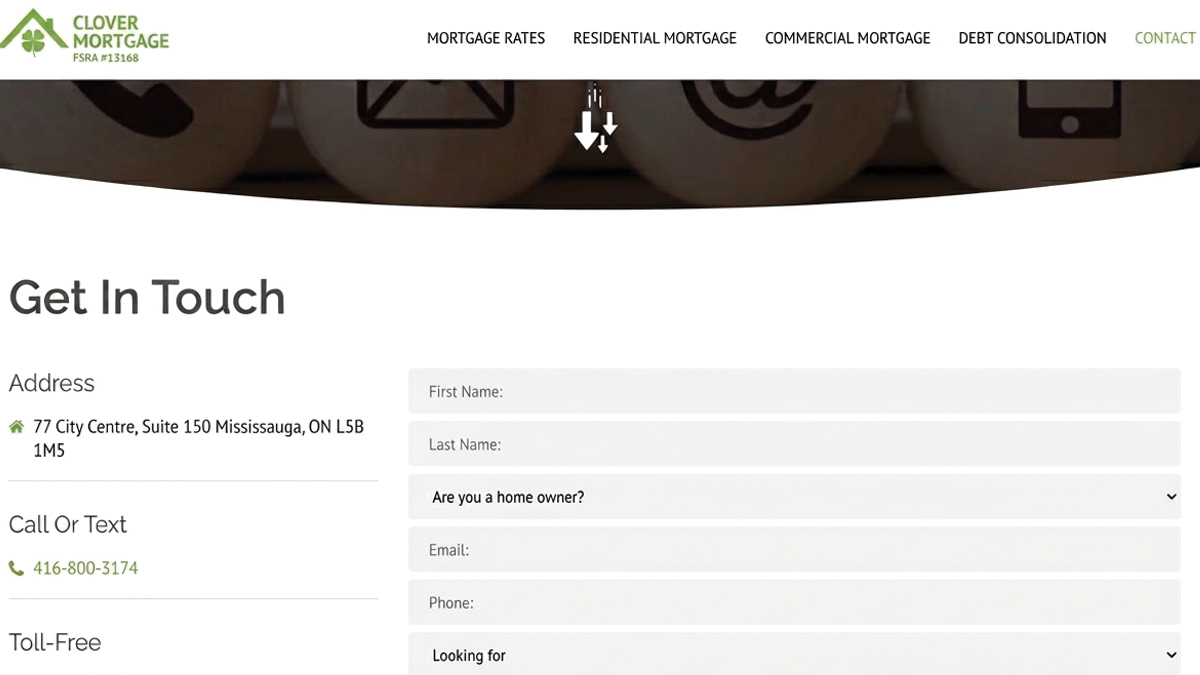
Long, multi-field forms create friction and cause drop-off.
A typical form asks for:
- Name and contact details
- Loan amount
- Property value
- Additional information
Here’s the issue:
- It feels like work
- It slows momentum
- It creates uncertainty
At this stage, users don’t want to “fill something out.” They want to talk to someone.
What Today’s Mortgage Clients Actually Want
They want:
- Clear guidance on their next step
- A real conversation with an expert
- Confidence that they’re making the right decision
In short, they want a connection – not a transaction.
The Shift: From Contact Forms to Calendar Booking Pages
Instead of asking users to reach out, you invite them to act immediately:
 Book a call
Choose a time
Speak to someone directly
This simple shift turns passive visitors into active leads.
What a Better Experience Looks Like
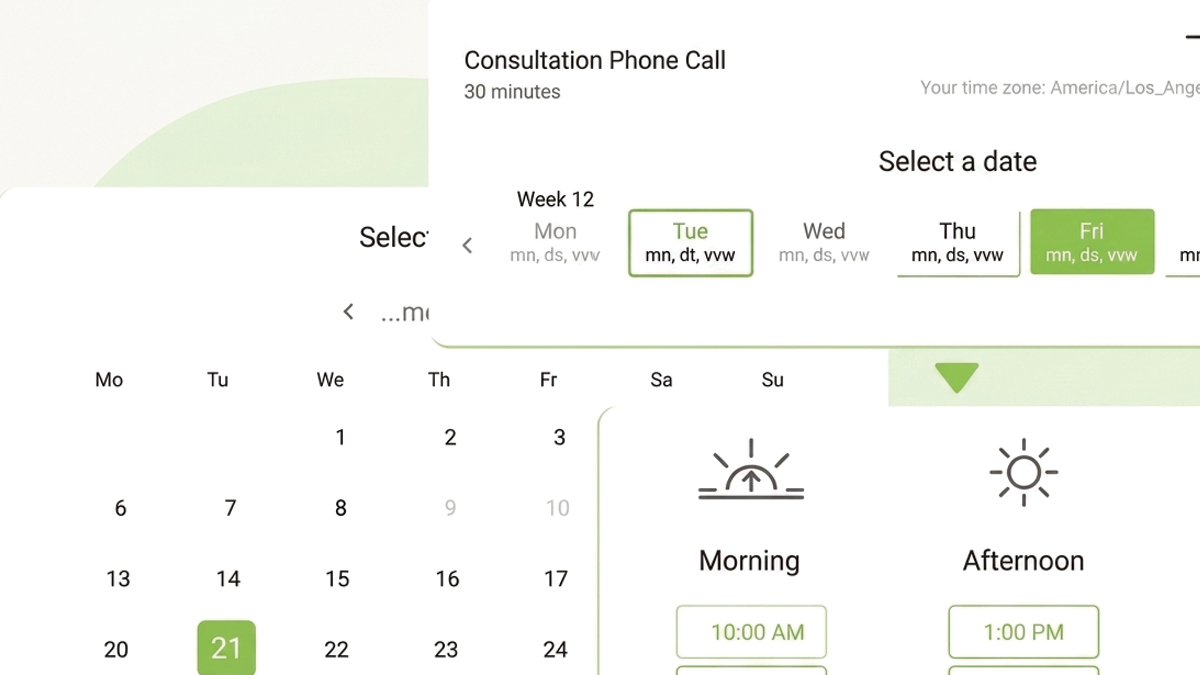
Booking interfaces remove friction and guide users to a clear next step.
With a Calendly booking page or OnceHub booking page, users can instantly take action.
No guessing. No waiting.
How It Works
Step 1: Choose a Time
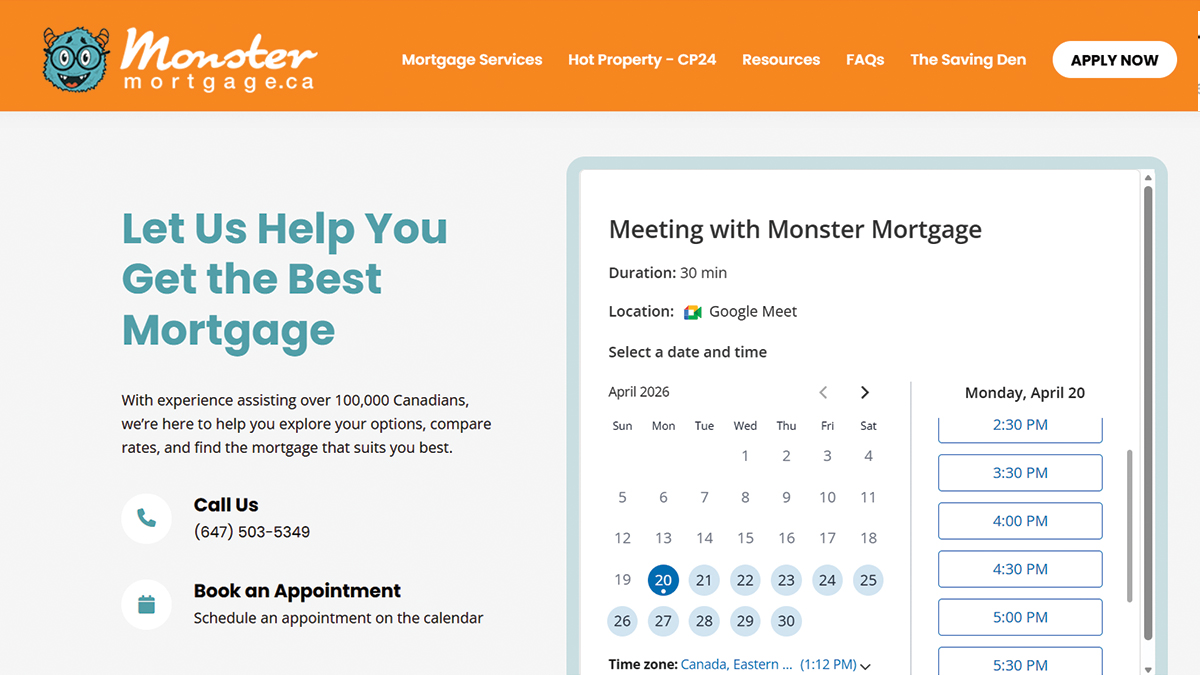
Users pick a time that works – eliminating back-and-forth.
Step 2: It Syncs Automatically
Your booking system connects directly to your calendar.
- Syncs with Outlook or Google Calendar
- Prevents double-booking
- Keeps your team organized
Step 3: Capture Details (After Commitment)
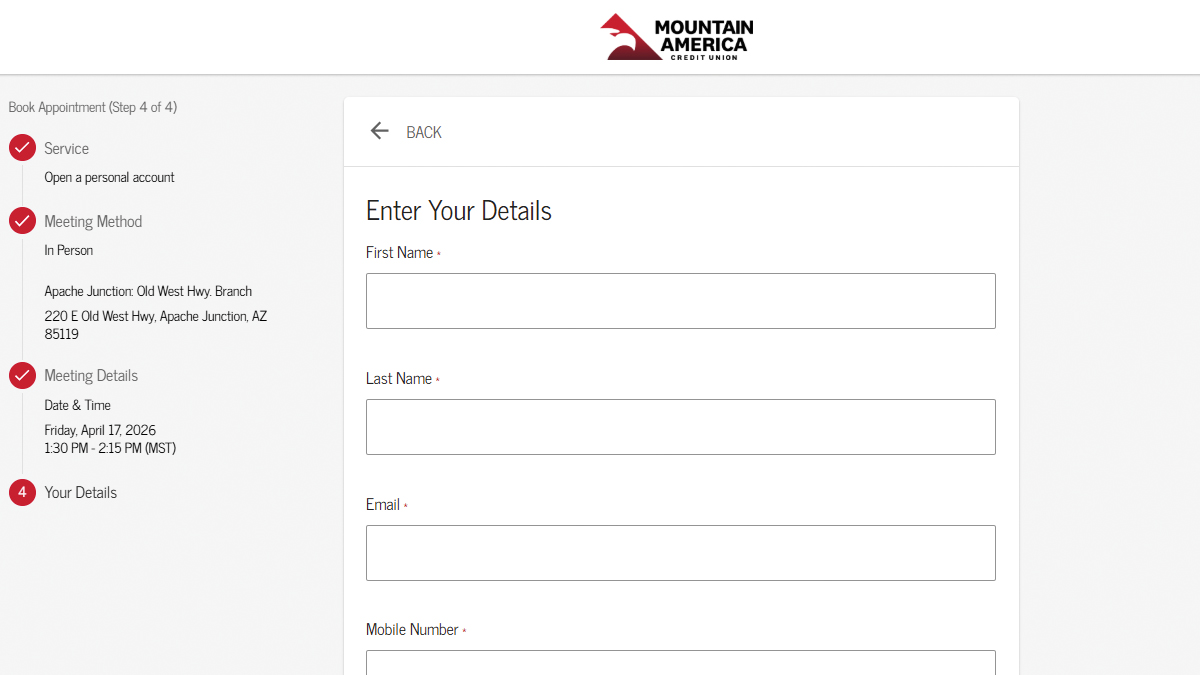
Short, simple forms appear after the booking decision – not before.
This is key.
Instead of overwhelming users upfront, you collect details after they’ve already committed.
Why Calendar Booking Pages Convert Better
This approach works because it aligns with human behavior:
- Less friction → more completions
- Clear next step → higher conversions
- Booked calls → higher-quality leads
- Real conversations → stronger trust
Why This Matters for Credit Unions and Mortgage Brokers
In competitive markets, small UX improvements drive big results.
By upgrading your contact process, you can:
- Increase qualified leads
- Improve conversion rates
- Shorten your sales cycle
- Build stronger relationships earlier
For both credit union marketing and mortgage broker marketing, this is one of the simplest, highest-impact upgrades you can make.
The Bottom Line: Make It Easy to Say Yes
When someone is ready to reach out, don’t slow them down.
Don’t give them a form.
Give them a time to talk.
Ready to Turn More Website Visitors Into Mortgage Clients?
If your website still relies on outdated forms, you’re likely losing leads at the finish line.
At napkin marketing, we build high-converting websites designed to turn visitors into real conversations – and real clients.

FAQ: Calendar Booking Pages for Mortgage and Credit Union Websites
They create friction and delay interaction, causing users to leave before converting.
A calendly booking page allows users to instantly schedule a meeting based on your availability.
A oncehub booking page offers advanced scheduling and automation for booking client meetings.
Yes. They reduce friction and create a clear next step, which leads to more completed actions and higher-quality leads.
Absolutely. You can set your schedule, block times, and manage bookings to fit your workflow.
Yes. They create a more personal experience, helping build trust and encouraging members to engage.
Yes. Even solo brokers can benefit by simplifying the booking process and capturing higher-intent leads.
They turn website visitors into scheduled conversations – which are far more likely to convert into clients.
Not necessarily – but your primary call-to-action should focus on booking an appointment for better results.
